Purpose
Maximizing Options to Advance Informed Choice for HIV Prevention’s (MOSAIC) objective was to accelerate introduction and scale-up of new biomedical prevention products and expedite their availability, acceptance, uptake, and impact in PEPFAR programs to help adolescent girls and young women and other women prevent HIV and other infectious diseases.
MOSAIC worked across multiple countries, including Zimbabwe, to implement user-centered research and research translation efforts to identify, understand, and remove barriers to new product introduction, access, and use; coordinate and provide technical assistance to global, national, and subnational stakeholders to expedite product launch and scale-up; and strengthen the capacity of a wide range of local partners to perform essential functions that support the introduction of HIV prevention products.
The MOSAIC consortium was funded by U.S. President’s Emergency Plan for AIDS Relief (PEPFAR) through the U.S. Agency for International Development (USAID) and led by FHI 360 along with core partners Wits RHI, Pangaea Zimbabwe, LVCT Health, Jhpiego, and AVAC. Local partner leadership and engagement, particularly in sub-Saharan Africa, is intrinsic to the project’s approach to expediting women’s access to new HIV prevention products. The work was also supported by technical partners from Afton Bloom, Avenir Health, Columbia University, Mann Global Health, RTI International, The AIDS Support Organization (TASO), 2Stories, the University of Pittsburgh, and the University of Washington.
Target Population
Women, with a focus on adolescent girls and young women (AGYW).
Worked across multiple countries – Botswana, Eswatini, Lesotho, Kenya, Namibia, Nigeria, South Africa, Uganda, Zambia, and Zimbabwe (Beitbridge, Bulawayo, Chitungwiza, Masvingo, Ngundu, Plumtree)
Geographical Location
Key Strategies
To achieve this objective, MOSAIC worked in alignment with five strategic priorities:
- User-Centred Approach Promote a user-centered approach in which the needs and preferences of users — especially adolescent girls and young women (AGYW) — are understood and addressed in product introduction and scale-up.
- Research Conduct research to expand the evidence base on how to effectively enhance product availability, acceptability, uptake, and effective use.
- Policy & Programmes – Coordinate and provide technical assistance to global, national, and subnational stakeholders to expedite product introduction in policy and programs by addressing issues related to regulatory review, policy development, resource mobilization, supply chain, delivery models and platforms, monitoring and evaluation, surveillance, and demand generation.
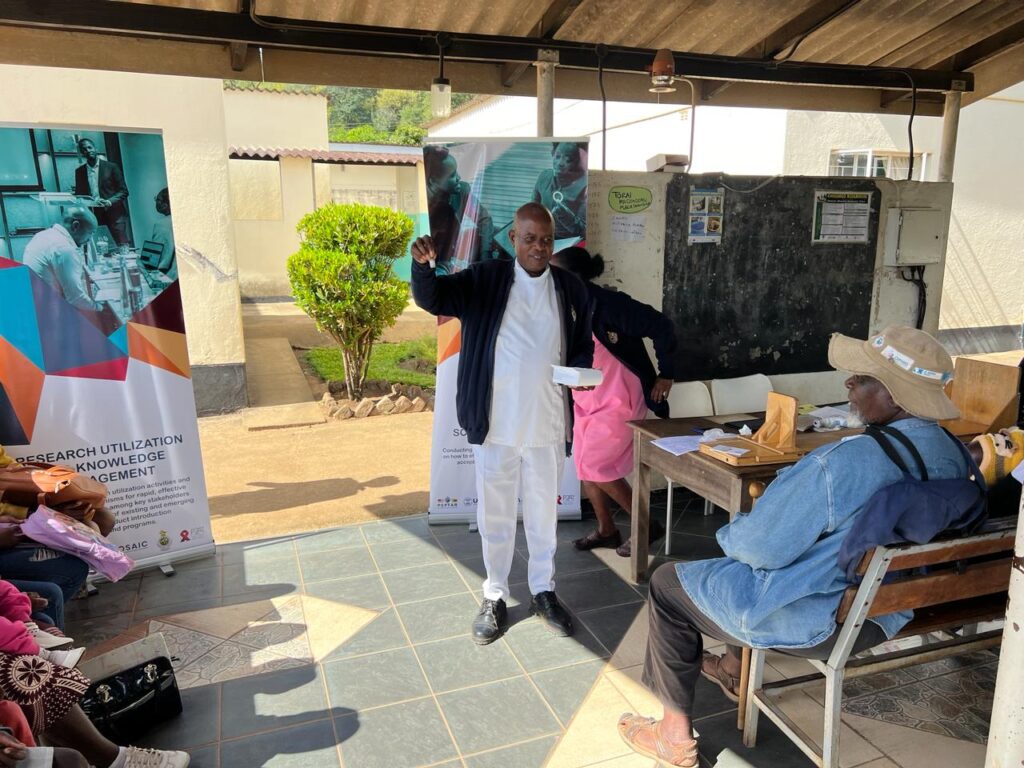
- Research Utilisation & Knowledge Management- Implement research utilization activities and establish mechanisms for rapid, effective knowledge exchange among key stakeholders to facilitate application of existing and emerging evidence on product introduction in policy and programs.
- Local Partner Capacity Strengthening Strengthen and sustain local partner capacity to advocate for, design, and implement high-quality product introduction activities and research.
Outcomes
1. Expanded Prevention Choices for Women
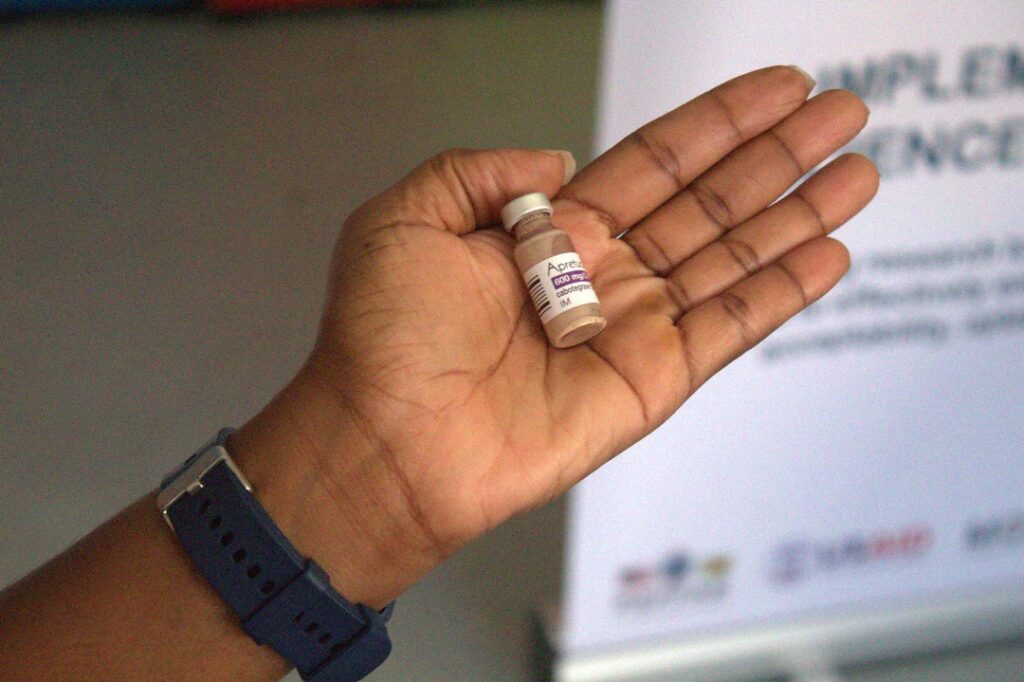
Successful introduction of multiple HIV prevention products, oral PrEP, the PrEP ring and CAB-LA, increased options beyond the traditional single-method approach.
Demonstrated feasibility of offering woman-centered, choice-based HIV prevention in routine clinical settings.
2. High Uptake of HIV Prevention Services
935 women enrolled during Stage I signals strong demand for PrEP services when offered with choice and supportive counseling.
Inclusion of both AGYW (36%) and older women (64%) shows relevance across age groups and life stages.
3. Strengthened Youth Engagement Leadership
Hiring a Youth Representative ensured that young women’s voices influenced study implementation.
Participation in the Global NextGen Squad improved accountability, representation, and global learning related to youth-centered service delivery.
4. Evidence for Differentiated Service Delivery Models
Implementation across urban, peri-urban, and rural sites generated diverse service delivery insights.
Stage I generated real-world evidence for designing more flexible PrEP services that reflect women’s contexts and preferences.
5. Progress Toward Optimized PrEP Choice Package
Ongoing quality improvement (QI) approaches helped refine counseling, follow-up, and product offering models.
Emerging insights are helping define a core package of PrEP choice that other countries can adopt.
6. Capacity Building in Local Health Systems
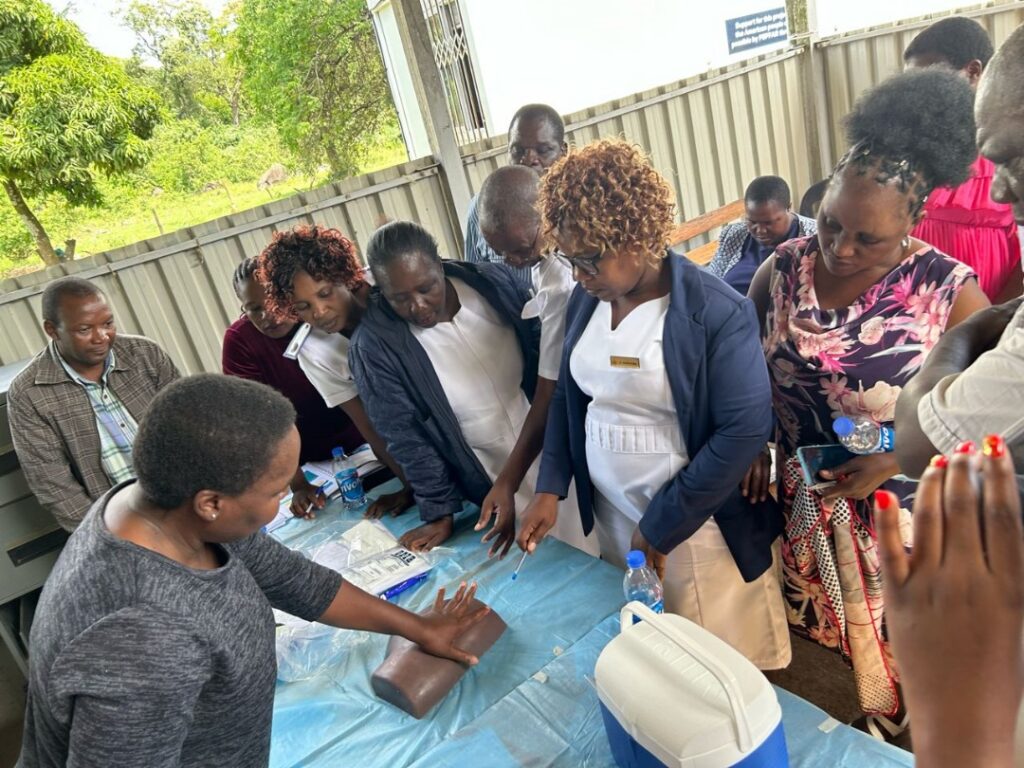
Health facility teams gained skills in PrEP ring provision, counseling, and client-centered care.
Facilities are now better equipped to integrate new HIV prevention products as they become available.
7. Evidence to Inform Policy & Scale-Up
Early uptake and acceptability findings can support:
National PrEP ring introduction plans
Updated HIV prevention guidelines
Wider PEPFAR adoption of choice-based models in Zimbabwe